


Chloe Chalakani is an entrepreneur who runs a home made pasta enterprise together with her companion in coastal Maine. The federal government shutdown battle impacts how a lot she’ll pay for medical health insurance subsequent yr.
Selena Simmons-Duffin/NPR
cover caption
toggle caption
Selena Simmons-Duffin/NPR
Chloe Chalakani has so much at stake within the well being care battle on the coronary heart of the federal government shutdown.
Chalakani runs a small culinary enterprise together with her companion within the coastal city of Thomaston, Maine. As temperatures drop and the peak of her busy vacationer season winds down, she’s hitting her record of fall administrative duties, together with medical health insurance enrollment. She makes use of CoverME.gov, the Inexpensive Care Act market in Maine, also referred to as Obamacare.
Her choices for 2026 are trying grim.
“My premium is already $460 a month, and that’s for the best deductible plan that exists,” she says. She’s 31 years outdated and pretty wholesome. Further monetary assist with premiums — within the type of enhanced tax credit — expires in December, and charges are going up.
“I do not plan to get insurance coverage subsequent yr,” she says. “I am simply not going to do it — I will pay out of pocket.”

The prospect of younger folks dropping out of the ACA markets worries well being coverage consultants — not simply due to their very own private threat of going uninsured, however due to the impact that hundreds of thousands of individuals making the identical resolution might have on the entire well being system.
How insurance coverage works
Medical insurance markets solely perform when there are many folks pooling their sources — younger and outdated, comparatively wholesome and never.
“You want folks to be paying into the insurance coverage system once they’re wholesome in order that they’ll take out once they’re sick,” explains Cynthia Cox of KFF, a nonpartisan well being analysis group.
Youthful, more healthy folks are likely to pay extra into the system than they devour in well being care. Older, sicker folks usually devour an quantity of well being care that prices greater than the quantity they pay in. That dynamic creates a steady insurance coverage system.
Proper now, the Inexpensive Care Act markets appear to be fairly balanced. A document 24 million folks are enrolled, and brokers report their purchasers are typically proud of their plan choices and discover the premiums reasonably priced.
Which may be about to alter. Premium prices will quickly explode for a lot of shoppers due to the expiration of sure federal subsidies that stored these month-to-month prices low. It is the problem on the coronary heart of the present federal shutdown — Democrats need the subsidies to be prolonged, Republicans say these negotiations should not be a part of the federal government funding debate.
The dreaded ‘dying spiral’
If Congress doesn’t prolong the federal subsidies set to run out in December, the Congressional Price range Workplace estimates that 4 million folks will develop into uninsured within the subsequent a number of years.
The individuals who choose to go with out insurance coverage will most likely be youthful and more healthy, Cox says, “as a result of sicker, older folks can be extra motivated to maintain their protection, even when meaning paying much more every month.”
It is simple to search out individuals who match these profiles. Chalakani, the 31-year-old in Maine plans to skip protection, whereas a 64-year-old in West Virginia who wants costly drugs tells NPR she’s saving up cash now to pay $2,800 each month for her protection subsequent yr.

“In case you solely have sick folks shopping for medical health insurance plans, then the typical price of that plan goes to be very excessive,” Cox says. “The priority is that the least sick individual in that group goes to drop their protection as a result of it turns into unaffordable, after which the following yr, the least sick individual in that group may drop their protection as a result of it turns into unaffordable and on and on.”
That is what’s referred to as a dying spiral for an insurance coverage market, she explains. “Premiums get so excessive that solely the sickest of the sickest persons are enrolled, and finally insurance coverage corporations simply are usually not going to need to take part in a market like that — it is simply not going to perform.”
Though it’s a comparatively small portion of People who purchase these plans, it has the potential to harm everybody, no matter how they’re insured. If extra folks within the nation develop into uninsured, that is exhausting on hospitals and well being care entry.
“If hospitals face a number of monetary pressure from having much more uninsured sufferers coming via their doorways, then they could begin altering the companies they provide,” she says. “They might have to shut the maternity ward. They may have to shut down altogether.”

That is already beginning to occur in Maine and different elements of the nation, the place well being care markets are underneath monetary stress. And that stress is rising with looming cuts to Medicaid from President Trump’s finances regulation which can be anticipated to extend the variety of uninsured folks by hundreds of thousands extra.
Open enrollment is Nov. 1
Weeks into the shutdown, federal lawmakers have apparently not began negotiations to beat the stalemate. The 2 sides have been at an deadlock since Oct. 1.
In the meantime, open enrollment is approaching Nov. 1 — in Idaho, it is already begun. Except Congress acts rapidly, enrollees will possible have sticker shock once they log in to discover a plan for 2026. On common, shoppers must pay double subsequent yr for a similar plan.
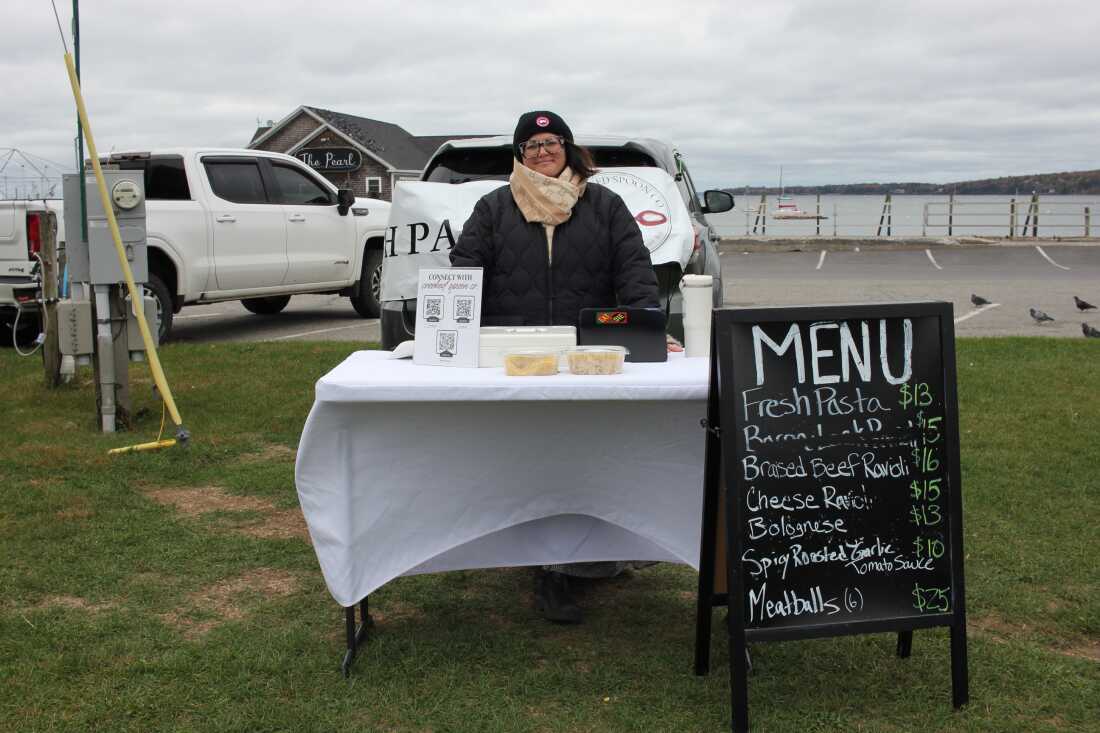
Entrepreneurs like Chloe Chalakani are among the many 24 million People who get their insurance coverage via the ACA.
Selena Simmons-Duffin/NPR
cover caption
toggle caption
Selena Simmons-Duffin/NPR
Chloe Chalakani says she plans to go uninsured though she is aware of that automotive accidents and severe sicknesses can occur. “Ought to a disaster occur, I will most likely say, ‘Wow, I ought to have had insurance coverage,'” she says. “However at this level, I haven’t got the monetary capacity to plan for that.”
If lawmakers do overcome the deadlock and prolong the improved subsidies so her premiums keep about the identical, she says she may rethink her plan to go with out medical health insurance in 2026.


